
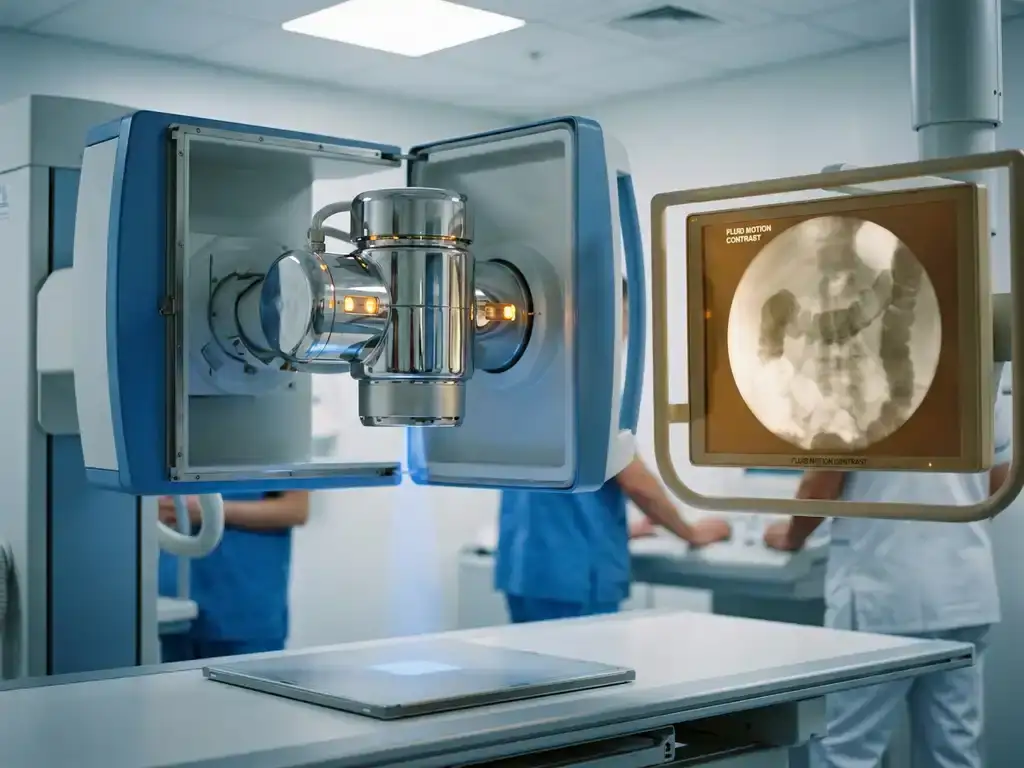
Medical imaging has changed significantly over the years. From traditional film-based systems to advanced digital radiography, healthcare professionals now have access to faster and more flexible ways to capture diagnostic images. Technologies such as Fluoroscopia, Durami, and xray film represent different aspects of this evolving imaging landscape.
Each technology serves a specific purpose. Understanding how they work can help hospitals, radiology departments, and imaging professionals make better decisions about equipment and workflow.
What Is Fluroscopia?
Fluoroscopia is commonly used as a search term for fluoroscopy, an imaging technique that uses X-rays to create moving images of the body in real time. Unlike a conventional X-ray, which generally captures a single image, fluoroscopy allows healthcare professionals to observe movement inside the body.
It can be useful during procedures involving the digestive system, blood vessels, bones, joints, and medical instruments. Contrast materials may also be used to make specific structures easier to see.
Where Does Durami Fit Into Modern Radiography?
Durami represents a different approach to medical imaging. It is a mobile digital X-ray system designed for situations where patients cannot easily be moved to a traditional radiography room.
This can be particularly useful in intensive care units, emergency departments, and other bedside environments. A mobile system can bring imaging directly to the patient, helping healthcare teams reduce unnecessary movement and improve workflow.
Modern mobile radiography systems can also combine wireless detectors, digital image processing, and connectivity with hospital information systems. These features can support faster image availability and smoother communication between departments.
The Role of Xray Film
Although digital radiography has become increasingly common, xray film remains an important part of radiology history and continues to have relevance in certain imaging environments.
Traditional xray film records an image following exposure to X-rays and requires chemical processing before the image can be viewed. Film-based systems helped establish many of the imaging practices used in diagnostic radiology today.
Digital systems, however, provide major workflow advantages because images can be displayed, processed, stored, and transferred electronically. This reduces dependence on physical film and can make image management more convenient.
Comparing Different Imaging Approaches
The difference between Fluoroscopia, Durami, and xray film highlights how varied radiology technology can be.
Fluoroscopia focuses on real-time imaging and is valuable when movement or procedural guidance needs to be observed. Durami focuses on mobility, bringing digital X-ray capabilities closer to patients who may not be able to travel to an imaging room. Xray film, meanwhile, represents the traditional method of recording radiographic images.
Supporting Better Imaging Decisions
Choosing the right imaging technology requires more than focusing on image quality alone. Hospitals also need to consider mobility, workflow, radiation management, connectivity, ease of use, and long-term operational value. A reliable imaging partner can help healthcare facilities address these needs through practical technologies designed around real clinical environments. With a focus on dependable radiology solutions, advanced image processing, mobile imaging, and efficient workflows, the right technology partner can help imaging teams deliver consistent performance while adapting to the changing demands of modern healthcare.