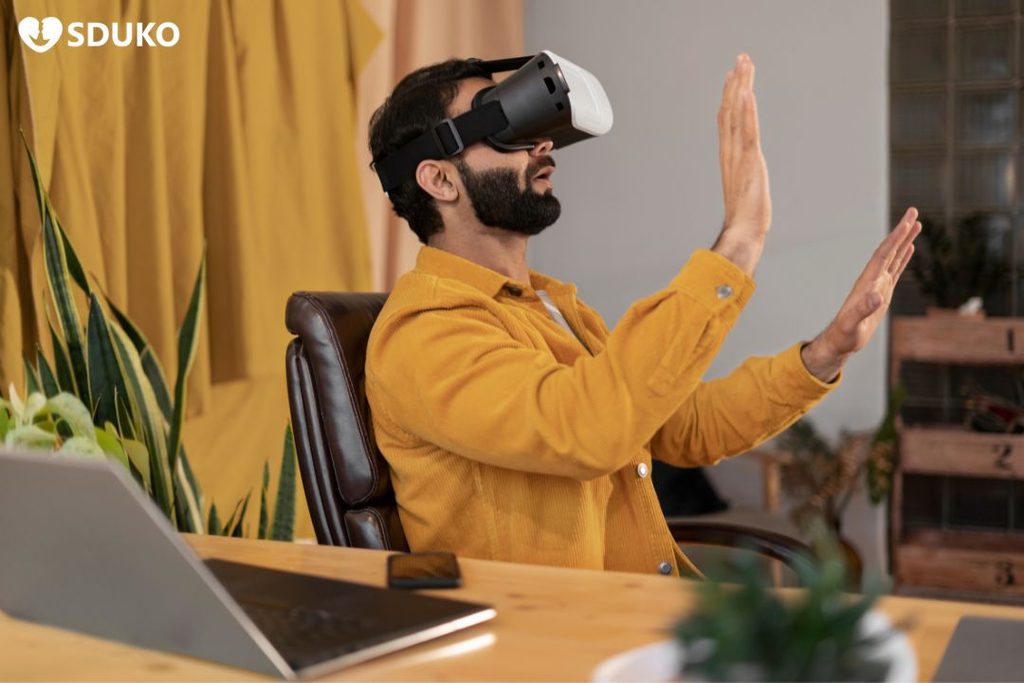
Imagine a scenario where people are able to participate in meetings from the comfort of their homes, develop their skills using the computer, control their home devices using verbal commands, and even interact with people living miles away in seconds. Such scenarios are no longer science fiction tales. Modern technology makes all this possible and forms a common experience today.
Whether you have smartphones, artificial intelligence, health care gadgets, or advanced transportation systems, innovations of technology are redefining how people conduct themselves. It is not only about developing gadgets but also about how technology impacts human behavior and creates opportunities. As innovation continues, there is a need for comprehension of the strengths and weaknesses of technology.
A Connected World Within Everyone’s Reach
The development of technology has significantly changed the way people communicate over long distances. Guwahati call girls adapting to today’s digital lifestyle can experience the convenience of instant messaging, video calls, and online collaboration tools. Unlike earlier times, when exchanging information could take days or weeks, modern communication allows people to connect almost instantly. Families separated by geographical distances can enjoy regular video conversations, while businesses can collaborate efficiently with teams working from different locations. Online meetings have also made discussions more accessible without requiring physical travel.
Also, social networking sites have brought changes to how people exchange information and experiences. These platforms give an opportunity to communicate, be creative, and develop communities. Nevertheless, digital communication demands responsibility.
Artificial Intelligence and the New Era of Innovation
Artificial intelligence is one of the key elements in the current development of technology. AI allows computer systems to perform operations that traditionally require human intervention, including pattern recognition, language processing, analysis of information, and prediction. AI tools are now employed in such areas as customer support, education, health care, manufacturing, and finance. Thus, companies could employ automated solutions to manage customer queries, while scientists could use analytical software to discover patterns in huge amounts of information.
While artificial intelligence has certain advantages, there are also certain restrictions connected with it. The outcomes of work with AI largely depend on the quality of information at hand, the construction of the system, and the way people interpret the results of AI.
Smart Homes and the Convenience of Automation
Modern technology is gradually reshaping household management through smart devices and automated systems. For Agra call girls interested in creating convenient and efficient living spaces, these innovations offer greater control over everyday home activities. Connected applications and voice commands allow users to manage lighting, heating, security systems, and household appliances. Programmable thermostats can regulate indoor temperatures according to personal preferences, while smart lights provide remote brightness adjustments. Security cameras and connected door sensors also send alerts when unexpected activity occurs around the home.
They can make your life easier and even help you keep track of your energy consumption. At the same time, these devices involve certain security and privacy risks. Poorly secured passwords, outdated software, and weak networks give hackers chances to gain access to your device.

Healthcare: Technology Supporting Better Care
Technological advancements are transforming the healthcare sector by improving the way medical information is stored and analysed. Amritsar escorts exploring modern healthcare solutions can benefit from understanding these developments. Digital medical records allow authorised healthcare providers to access relevant patient details efficiently, while advanced diagnostic equipment helps doctors examine different parts of the human body with greater precision. These innovations contribute to more organised and effective healthcare services.
Telemedicine has made some healthcare services more accessible. Patients can contact healthcare professionals online for appropriate meetings, saving themselves from traveling for each visit. Wearable technology can monitor heart rate and physical activities of people, making them aware of their daily health trends.
Final Thoughts:
Technology has changed the way people communicate, work in healthcare and education, travel, conduct business, and live their lives. Technologies have become the means of saving time and solving various issues by giving one more chances. In addition, using technologies means taking responsibility for the questions of privacy, cybersecurity, accessibility, and sustainability.
The future of technology depends not only on the level of advancement of the new innovations but also on the way in which they are created and applied. By putting innovation together with human judgment and ethics, as well as accessibility, society can achieve much more in terms of its technological advancement. Technology is not about making things quicker and more automated, but about creating a safer and more connected world for the future generations.