
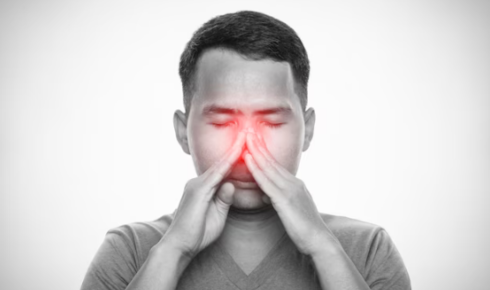
Sinus problems can be a really frustrating condition, especially during the winter season. Many people who feel relatively comfortable during warmer months suddenly experience blocked noses, facial pressure, headaches, and breathing discomfort as temperatures drop. Understanding why sinus issues worsen in winter can help you manage symptoms better and protect your sinus health throughout the colder months. Let us get started.
What Are The Most Common Sinus Problems In Winter?
Winter often brings a noticeable rise in sinus related complaints. The most common problems include:
- Sinus congestion
- Sinusitis
- Postnasal drip
- Facial pain
- Pressure around the eyes or forehead
- Reduced sense of smell
Some people may also experience thick nasal discharge and frequent sneezing. Cold weather can also trigger recurring sinus infections, especially in individuals who already have sensitive sinuses or a history of winter allergies. The combination of dry air, frequent colds, and increased indoor time creates an environment where sinus problems can easily develop or worsen.
What Causes Headaches In Winter?
Cold weather sinus headaches are often linked to sinus pressure rather than neurological causes. When the sinus cavities become inflamed or blocked, mucus builds up, creating pressure in the forehead, cheeks, and behind the eyes. This pressure can result in dull, aching headaches that feel worse when bending forward.
Cold air exposure can also narrow blood vessels in the nasal passages, contributing to discomfort. In addition, dehydration, common in winter due to reduced water intake, can thicken mucus, making sinus drainage more difficult and increasing the likelihood of headaches.
Why Does Winter Make Sinus Worse?
Several winter specific factors can worsen your sinus problems, so it is important to go for paranasal sinus treatment in Coimbatore for long term support and ongoing care, before they escalate. Here is why winter makes sinuses worse:
- Cold, Dry Air: Winter air tends to be dry, which can dry out the nasal lining. When the nasal passages lose moisture, they become irritated and less effective at trapping germs and allergens.
- Indoor Heating: Heaters reduce indoor humidity, further drying the air. Dry indoor environments can thicken mucus, making it harder for the sinuses to drain properly.
- Seasonal Infections: Winter is the peak season for colds and viral infections. These infections can inflame the sinuses, leading to congestion and prolonged discomfort.
- Increased Indoor Exposure: Spending more time indoors increases exposure to dust, pet dander, and other indoor allergens, which can trigger sinus inflammation.
- Reduced Sunlight And Immunity: Lower sunlight exposure may affect overall immunity, making the body more vulnerable to infections that can worsen sinus symptoms.
Together, these factors explain why people often feel their sinus issues intensify during the winter months.
How Can Sinus Problems Be Treated?
Managing sinus problems in winter focuses on relieving symptoms and preventing frequent flare ups. Simple lifestyle measures can significantly reduce discomfort and improve sinus drainage.
1) Maintain Indoor Humidity: Using a humidifier helps keep nasal passages moist and prevents irritation caused by dry air.
2) Stay Well Hydrated: Drinking enough fluids helps thin mucus, making it easier for the sinuses to drain naturally.
3) Practice Good Nasal Hygiene: Gentle cleansing with saline based solutions can remove irritants, allergens, and excess mucus.
4) Use Steam Therapy: Warm showers or steam inhalation may help loosen mucus and relieve sinus pressure temporarily.
5) Avoid Common Triggers: Limiting exposure to dust, smoke, and strong odors can reduce sinus inflammation.
6) Keep Indoor Spaces Clean: Regular cleaning and proper ventilation help minimize indoor allergens that worsen sinus symptoms.
7) Support Overall Immunity: Adequate rest, balanced nutrition, and quality sleep help the body recover from seasonal infections more effectively.
If sinus symptoms persist, worsen, or recur frequently despite these measures, consulting a qualified healthcare professional from the Best ENT hospital in Coimbatore is important to identify the underlying cause and receive appropriate guidance.
Conclusion
Seasonal sinus problems tend to get worse in winter due to a combination of cold weather, dry air, indoor heating, and seasonal infections. These factors irritate the nasal passages, disrupt normal sinus drainage, and increase the risk of congestion and headaches.
By understanding why winter affects sinus health and adopting simple preventive measures, you can reduce discomfort and protect your sinuses throughout the colder months. Early attention to symptoms and consistent care can make a significant difference in maintaining sinus comfort during winter.